

E-Max Veneers & Crowns
E-Max Veneers & Crowns
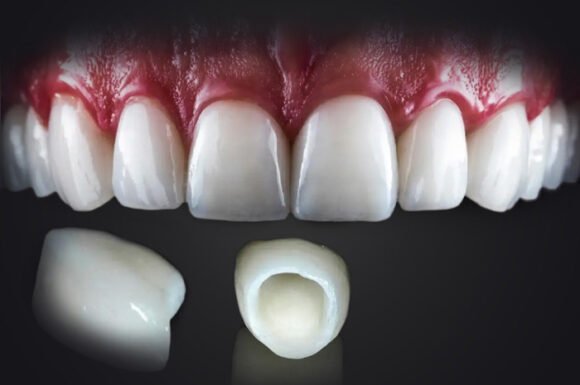
E-Max veneers offer natural, strong, and highly durable solutions for dental restorations, helping people give their teeth a new look. Whether it’s color, shape, or tooth alignment, E-Max veneers provide flexible options.
E-Max Restoration Procedure
Anesthesia
Local Anesthesia
Procedure Time
1 to 2 Hours
Stay in Istanbul
3 to 5 Days
Return to Social Life
1 to 2 Days
Başlık Metninizi Buraya Ekleyin
What is Emax Coating?
Emax veneers are a type of porcelain veneer frequently used in dental aesthetics. Made from lithium disilicate ceramic, these veneers offer an appearance similar to natural teeth and possess high aesthetic qualities. Emax veneers have the advantage of being usable on both front and back teeth. Thanks to their durable and lightweight structure, these veneers allow you to achieve an aesthetic appearance while preserving your natural teeth. Emax veneers are applied by bonding them to the surface of the tooth and can be customized in tooth color, allowing patients to achieve results that suit their personal preferences. Emax veneer applications offer an ideal solution for correcting aesthetic problems such as cracks, discoloration, or shape irregularities in teeth.
What should I consider before getting Emax coating?
There are a few important points to consider before getting Emax veneers. First, it’s crucial to choose a reputable dentist and consider reviews from previous patients. Secondly, good dental health is essential; any cavities or infections may need to be treated. It’s also beneficial to learn about veneer costs and the application process beforehand. Finally, understanding post-veneer care will improve the success of the procedure.
What are the advantages of Emax coating?
Emax veneers offer an innovative solution in dentistry that combines aesthetics and durability. One of the most important advantages of these veneers is their close resemblance to the appearance of natural teeth. Thanks to their light-transmitting properties, Emax veneers provide a natural look by perfectly matching your teeth. Furthermore, these veneers have high durability, making them resistant to chewing forces. Due to their porcelain structure, Emax veneers are stain-resistant, helping them maintain their aesthetic appearance for a long time. They are also advantageous in terms of gum health, as these veneers are biocompatible and integrate well with the gums. For all these reasons, Emax veneers stand out as an excellent choice in terms of both aesthetics and function.
In what situations is Emax coating applied?
Emax veneers can be applied to solve various dental problems. Here are some of them:
Decayed Teeth: Emax veneers can be preferred for the aesthetic and functional repair of decayed or damaged teeth.
Broken Teeth: Cracks or fractures in teeth can be strengthened with Emax veneers, giving them an aesthetic appearance.
Wear: Veneering teeth worn down due to aging, teeth grinding, or bad habits provides a healthier appearance and function.
Aesthetic Concerns: If there are significant changes in the natural color or shape irregularities of the teeth, Emax veneers provide aesthetic improvement.
Irregular Teeth: Irregular or crooked teeth can be corrected with Emax veneers, contributing to smile design.
Smile Design: Emax veneers are preferred when the shape, size, or color of the teeth needs to be changed in order to create a beautiful smile.
Gum Recession: If the tooth roots become visible due to gum recession, Emax veneers can be applied to improve the aesthetic appearance of the teeth.
How does the Emax coating process work?
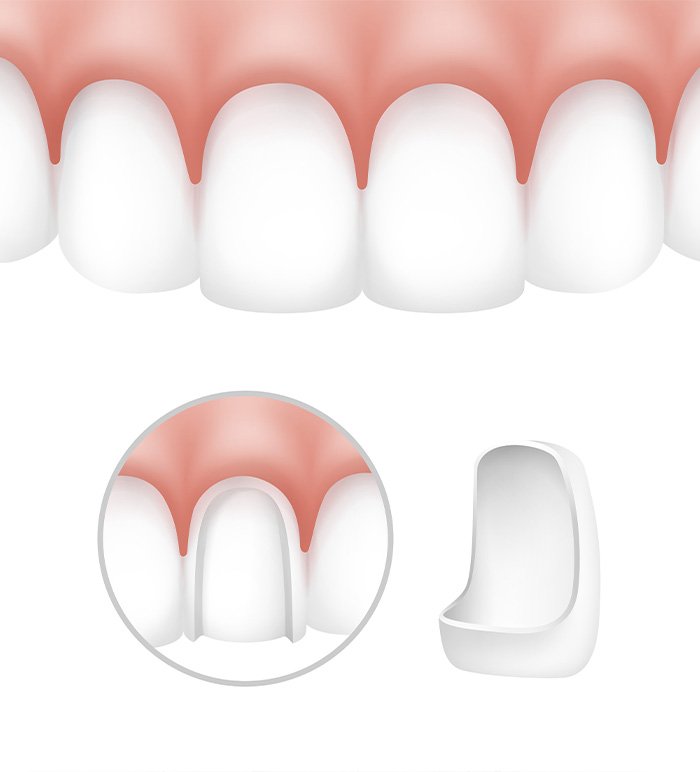
The Emax veneer process begins with a detailed examination by a dentist. Initially, the tooth’s current condition is assessed to determine suitability for veneers. If the tooth’s shape or color doesn’t meet the desired aesthetic standards, veneers are recommended.
Next, the necessary parts of the tooth are prepared; this process usually involves removing some tissue from the tooth’s surface. After the preparation phase, the dentist takes impressions of the tooth and sends them to a specialized laboratory. There, a custom impression is taken for the Emax veneer, and a custom veneer is produced to achieve a natural appearance.
Once the laboratory process is complete, the veneer is placed on the patient’s tooth by the dentist. Finally, adjustments are made to ensure the veneer fits correctly and achieves a natural look. While the Emax veneer process often requires multiple appointments, it ultimately offers an aesthetic and durable solution.
In what situations is Emax coating applied?
Emax veneers can be applied to solve a variety of dental problems. Here are some of them:
- Decayed Teeth: Emax veneers can be preferred for the aesthetic and functional repair of decayed or damaged teeth.
- Broken Teeth: Cracks or fractures in teeth can be strengthened with Emax veneers, giving them an aesthetic appearance.
- Wear: Veneering teeth worn down due to aging, teeth grinding, or bad habits provides a healthier appearance and function.
- Irregular Teeth: Irregular or crooked teeth can be corrected with Emax veneers, contributing to smile design. Smile
- Design: Emax veneers are preferred when the shape, size, or color of teeth needs to be changed to create a beautiful smile.
- Gum Recession: In cases where tooth roots become visible due to gum recession, Emax veneers can be applied to improve the aesthetic appearance of the teeth.
How long does Emax coating application take?
Emax veneer application is usually completed in two or three sessions. In the first session, the teeth are prepared, impressions are taken, and sent to the laboratory. In the second session, the prepared Emax veneers are placed on the teeth. This process can take anywhere from a few hours to a few days, but the duration may vary depending on the patient’s condition.
How long does Emax coating last and how can it be extended?
Emax veneers can last an average of 10-15 years with proper care and regular check-ups. To extend the life of the veneers, it’s important to maintain good oral hygiene, avoid frequent consumption of very hard foods, and use a night guard if you have a teeth grinding problem. Regular dental check-ups will also help detect and resolve potential problems early, thus increasing the lifespan of Emax veneers.
What are the differences between zirconium and Emax coating?
The differences between Emax and Zirconium crowns generally lead to their application for different dental conditions. These differences include:
Material Structure: Zirconium crowns are made from metal-supported zirconium oxide ceramic, while Emax crowns are made from lithium disilicate ceramic. This affects the aesthetic and durability properties of both materials.
Aesthetic Appearance: Emax crowns offer an aesthetic closer to the appearance of natural teeth; a more natural look is achieved in terms of transparency and color tones. Zirconium crowns, on the other hand, may have a more matte appearance.
Area of Use: Zirconium is generally preferred for back teeth (molars), while Emax crowns are more commonly used for front teeth (incisors). This influences the choice of both crowns based on aesthetic concerns and durability.
Durability: Zirconium crowns have higher durability due to their strong structure and show better resistance to chewing forces. While Emax crowns are more aesthetically pleasing, they may not be as durable as zirconium. Tooth Preparation: Emax veneers require less tooth preparation, while zirconia veneers may require more tooth preparation. This is a factor affecting the invasiveness of the veneer process. Oral Comfort: Emax veneers cause less sensitivity to hot and cold foods due to their low thermal conductivity. This is less pronounced with zirconia veneers.
What is the aftercare required after Emax coating?
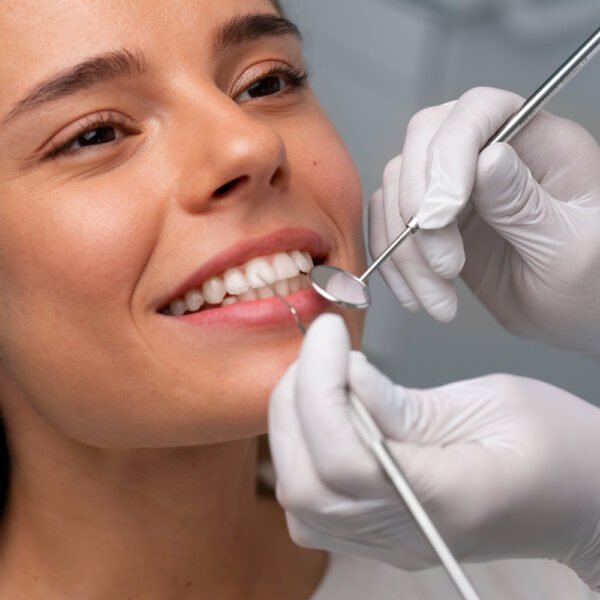
For Emax veneers to last a long time and maintain their aesthetic appearance, post-treatment care is crucial. First and foremost, regular daily oral hygiene should be maintained. After veneer placement, you should brush your teeth at least twice a day with a soft-bristled toothbrush and non-abrasive toothpaste. You should also not neglect cleaning the spaces between your teeth using dental floss or interdental brushes.
Maintaining gum health after veneer placement is extremely important. Gum diseases can reduce the durability of veneers and lead to gum recession, creating aesthetic problems around the veneers. Therefore, complete oral hygiene should be practiced, and regular dental check-ups should be attended. Check-ups approximately every 6 months will allow for early diagnosis and treatment of any problems with your veneers.
While Emax veneers are durable, consuming excessively hard foods can damage or crack them. Foods such as hard-shelled nuts, ice, and very hard candies should be avoided, or consumed with caution. It is also recommended that people with teeth clenching or grinding (bruxism) wear a night guard to protect their veneers.
To prevent discoloration, teeth should be cleaned thoroughly after consuming foods and drinks that can stain teeth, such as cigarettes, tea, coffee, and red wine. It is especially helpful to follow your dentist’s recommendations when choosing mouthwash and toothpaste to reduce the risk of discoloration, particularly around veneers.
Does Emax Veneer Affect Gum Health?
Emax veneers are a highly preferred dental veneer method in terms of aesthetics and durability. They can have positive effects on gum health. Emax veneers contain lithium disilicate, a gum-compatible material, and are therefore well tolerated by the body. When applied correctly, they do not cause irritation to the gums and help keep them healthy. However, good oral hygiene is essential to maintain gum health before and after veneer placement. Teeth and gums should be brushed and flossed regularly. Otherwise, plaque buildup can occur around the veneer, leading to gum disease. Furthermore, a detailed evaluation by a specialist dentist will help protect your gum health. With proper care and check-ups, Emax veneers can be used for a long time without negatively affecting gum health.
What materials are used in Emax coating?
Emax veneers are a dental veneer method that offers high aesthetics and durability. These veneers are made from lithium disilicate glass ceramics. Lithium disilicate is processed through a special process to create a very thin and transparent structure, allowing it to mimic the appearance of natural teeth.
Emax veneers are customizable to provide a unique fit for each individual, as they are produced using digital designs specifically tailored to the dentist’s needs. Furthermore, these veneers offer a strong and durable structure while preserving the aesthetic appearance of the tooth, making them a preferred long-lasting solution.
Other materials used in Emax veneer application include bonding agents and special cements. These materials are used to ensure the veneer is properly placed on the tooth and adheres for a long time. Emax veneers are meticulously prepared to achieve the best results in terms of both aesthetics and function.
Frequently Asked Questions
Emax veneers are not suitable for individuals with excessive decay or damage to their teeth, gum disease, or habits such as bruxism (teeth grinding). These conditions can negatively affect the longevity of the veneer.
Emax veneers are frequently preferred due to their aesthetic appearance, resemblance to natural teeth, and high durability. Furthermore, their light-transmitting properties, allowing them to mimic the natural tooth color and transparency, provide a significant aesthetic advantage.
Although Emax porcelain offers high aesthetics and durability, it cannot be applied to all teeth because in some cases the tooth structure may need support. Stronger materials may be required, especially for teeth in the lower jaw that bear more weight.
Emax coatings are materials with a low risk of yellowing with proper care and hygiene. However, factors such as smoking and excessive coffee or tea consumption can cause the coatings to change color over time.
After Emax veneer treatment, some patients may experience sensitivity to hot or cold foods and drinks. This is usually temporary and subsides within a few days; however, if it persists, it is important to contact your dentist.