

Dental Bridges
Dental Bridges
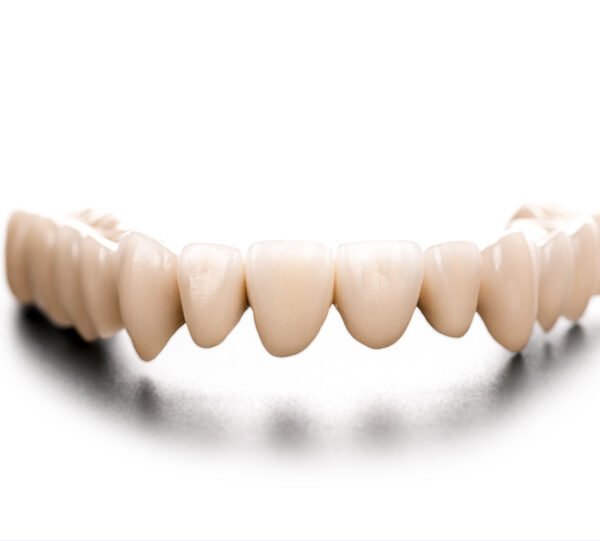
Dental bridges safely and effectively replace missing teeth, restoring functionality and aesthetics and giving clients back their smiles.
We offer advanced dental bridges that perfectly fit the natural tooth line, giving you the freedom to chew, speak, and smile with confidence.
Dental Bridge Procedure
Anesthesia
Local
Procedure Time
1 to 2 Hours
Stay in Istanbul
3 to 5 Days
Return to Social Life
1 to 3 Days
Başlık Metninizi Buraya Ekleyin
What are dental bridges?
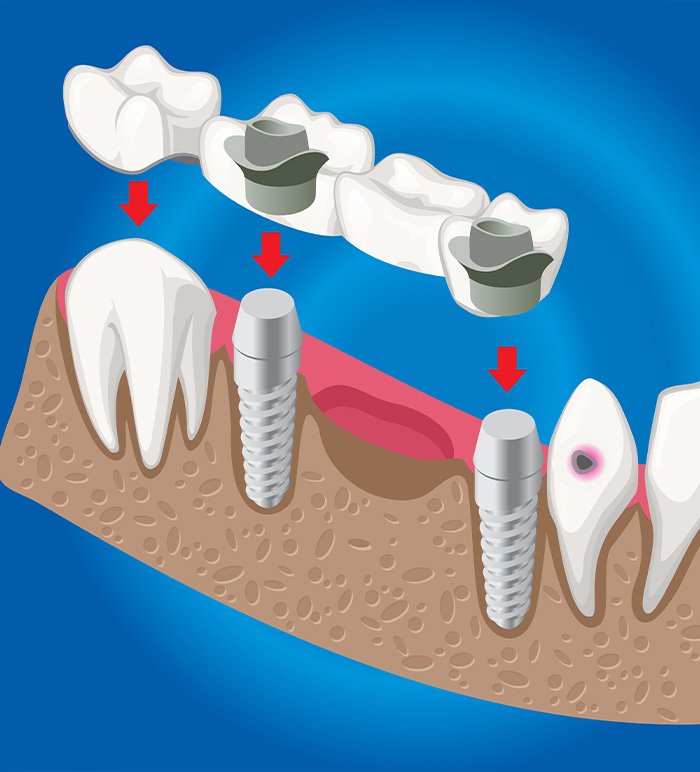
Dental bridges are a fixed dental treatment method used to replace one or more missing teeth. They replace missing teeth by placing bridges over adjacent teeth to fill the gaps. They typically consist of one or more artificial teeth that connect to two adjacent teeth (called “bed teeth”) and close the gap.
Dental bridges mimic your natural teeth both aesthetically and functionally, helping to resolve chewing and speaking problems caused by missing teeth. The application process is completed with the preparation of the teeth and the placement of the bridge. Dental bridges offer a strong and long-lasting solution, usually made of porcelain, metal, or a combination of both.
How are dental bridges applied?
Dental bridges are a treatment method generally used to replace one or more missing teeth. The application process usually consists of several stages. First, the dentist evaluates the area where the bridge will be placed and reduces the size of one or more of the adjacent teeth to support the bridge. This is necessary so that a porcelain or metal veneer can be placed on the teeth.
Then, a temporary bridge is placed on these reshaped teeth. In the second stage, an impression is taken of the mouth to create a custom model for the permanent bridge. The dentist prepares a bridge design that is compatible with your teeth and aesthetically pleasing on this model. In the third stage, the permanent bridge is placed and ensured to fit properly. After the procedure, your dentist checks that the bridge fits properly and functions correctly.
Care for dental bridges is similar to that of natural teeth and requires regular cleaning and check-ups. This process is generally painless, but some patients may experience temporary sensitivity after the procedure.
What should be considered before getting dental bridges?
There are several important points to consider before getting dental bridges. First, you should have a detailed assessment with your dentist to review your current dental health. Dental bridges generally offer a temporary solution to replace missing teeth, so the surrounding teeth must be healthy and sound. If you have cavities, infections, or gum disease, these problems must be treated first.
The suitability of the area where the dental bridge will be placed is also important; this is something your dentist will decide after examining your tooth and jaw structure. You should also get information about your aesthetic expectations and the material of the dental bridge. There are different options such as zirconium, porcelain, or metal-supported bridges, and each has its advantages and disadvantages.
Finally, it’s important to learn how to maintain and ensure the longevity of your dental bridges. By paying attention to these factors, you can obtain a solution that suits you both aesthetically and functionally.
What are the advantages of dental bridges?
Dental bridges offer an aesthetic and functional solution for replacing missing teeth. Here are the main advantages of dental bridges:
Aesthetic Appearance: Dental bridges are designed to resemble natural teeth, providing an aesthetically pleasing look when you smile.
Functional Use: By replacing missing teeth, they restore daily functions such as chewing and speaking.
Less Invasive: Compared to other dental restoration methods, bridge application is generally less invasive and causes minimal damage to the teeth.
Prevents Tooth Loss: Prevents the shifting of adjacent teeth after tooth loss, thus preventing the deterioration of the oral structure.
Quick Application: Dental bridges are applied in a single treatment process, quickly replacing the missing tooth.
Long-Term Durability: With proper care, applied bridges can last for years, providing a long-term solution.
Comfort: They generally cause less discomfort compared to other treatment methods and allow patients to easily adapt to their daily lives.
Avoiding Harmful Methods: Compared to more invasive procedures like implants, dental bridges can be applied without significantly altering the teeth.
These advantages make dental bridges a popular and effective solution for people experiencing tooth loss.
What are the alternative treatment methods to dental bridges?
Alternative treatment methods to dental bridges offer various options for replacing lost teeth. One of the most popular methods is dental implant placement.
An implant is a treatment that uses titanium screws placed in the jawbone to replace a lost tooth, functioning very similarly to natural teeth. Implants offer a long-lasting solution in terms of both aesthetics and function.
Another alternative is dental prostheses, or dentures as they are commonly known. This method is a treatment option that uses artificial teeth, usually removable, to replace lost teeth. Dentures offer a less invasive treatment than dental bridges, but are less preferable in terms of aesthetics and comfort.
In addition, technological innovations such as digital dental restorations are also among the treatment options. Each alternative has its advantages and disadvantages, so it is important to consult with a dentist to determine which treatment method is more suitable for you.
In what situations are dental bridges preferred?
Dental bridges are a frequently preferred treatment option when teeth need to be replaced. Some situations where dental bridges are preferred are listed below:
- Single tooth loss: In the case of a single tooth loss, a dental bridge replaces the missing tooth by connecting it to the adjacent healthy teeth.
- Multiple tooth loss: In the case of several tooth loss, a dental bridge can be used to fill the gap and restore oral function.
- Situations where implant treatment is not possible: For patients who do not have sufficient bone structure for implant placement or who have a condition that makes implant placement impossible, bridge treatment may be a suitable option.
- Aesthetic concerns: Dental bridges can be used to improve smile aesthetics, especially for missing front teeth.
- Functional losses: If chewing function has been lost as a result of tooth loss, dental bridges can restore chewing capacity.
- Complete tooth loss: If the tooth roots are completely gone and it is necessary to replace the natural tooth, a dental bridge provides a long-term solution.
How should dental bridges be cared for?
Maintaining dental bridges is crucial for their longevity and healthy use. Regular brushing and flossing are essential to keep them clean. You should brush your teeth gently at least twice a day with a soft-bristled toothbrush, cleaning the areas around the bridges as well.
You should also floss the areas under the bridge, as food particles and plaque can accumulate there. Electric toothbrushes can also help clean these areas more effectively.
Protecting the health of the teeth under your bridge helps prevent tooth decay and gum disease. It’s also beneficial to avoid hard foods that can affect the bridge, and to be careful when chewing.
Regular checkups with your dentist to monitor the condition of your bridge and have professional cleaning done if necessary are also important. These simple care habits will extend the life of your bridge and help keep your mouth healthy.
What should the diet be like after dental bridge placement?
Paying attention to your diet after dental bridge placement is crucial for successful treatment and a faster healing process. For the first 24-48 hours, avoid hard, hot, or acidic foods to allow the tissues in the treated area to heal. During this time, soft, moderately warm, and smooth-textured foods should be preferred.
Foods like soup, pureed vegetables, yogurt, and bananas can be easily consumed. Also, avoid applying direct pressure to the bridge to prevent damage and negative impacts on the treatment. While maintaining good oral hygiene is important, care should be taken to prevent food from sticking to the bridge during this period.
In the long term, hard and sticky foods can cause the bridge to loosen or be damaged, so avoiding such foods is recommended. Paying attention to your diet will help the treatment process progress healthily.
Frequently Asked Questions
If one of the teeth supporting a dental bridge needs to be removed after it’s fitted, the entire bridge may need to be remade. This is because dental bridges are supported by interconnected structures, and replacing one tooth affects the entire structure.
Dental bridges can last for many years, but over time some problems may arise. These problems may include the bridge loosening, gum inflammation, or wear on the surrounding teeth. Regular dental checkups can help detect these types of problems early.
Dental bridge treatment is generally painless. No pain is felt during the procedure because local anesthesia is used. However, there may be slight discomfort or sensitivity after the procedure, which usually subsides within a few days.
Dental bridges are designed to blend seamlessly with natural teeth, providing a highly natural aesthetic appearance. Modern dental bridges are made with high-quality materials that mimic your teeth, so the difference in your smile isn’t immediately noticeable.
Initially, an adjustment period may be necessary after dental bridges are fitted, but eating becomes more comfortable once the bridge is in place. It is recommended to avoid hard and sticky foods, but you can resume your normal diet.