

Metal Braces
Metal Braces
Metal braces, proven over time and highly effective in treating many orthodontic problems, provide a solution.
Until a few years ago, metal braces were the primary solution for achieving a straight and healthy smile for people of all ages due to their great strength.
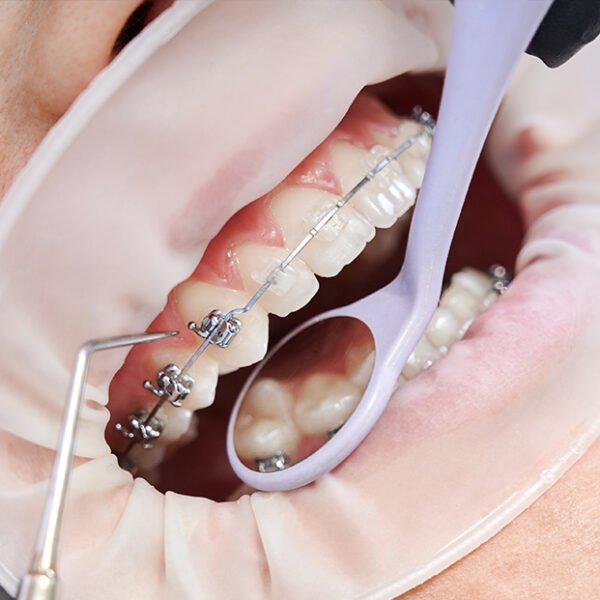
Metal Braces Procedure
Anesthesia
Local
Procedure Time
1 to 2 Hours
Stay in Istanbul
1 to 3 Days
Return to Social Life
1 to 2 Days
Başlık Metninizi Buraya Ekleyin
What are metal braces?
Orthodontic treatment, particularly the application of metal braces, is considered a crucial step in orthodontics. These braces are used to correct crooked teeth, jaw deformities, aesthetic problems in the mouth, chewing difficulties, and spacing between teeth. Suitable for individuals of all ages, men, women, and children, metal braces yield positive results when used consistently and regularly.
However, if a patient avoids wearing braces due to reasons such as difficulty adapting or aesthetic concerns, surgical intervention may be necessary when jaw and tooth problems progress to advanced stages. Problems that could be corrected with simple braces often lead to more painful treatment processes for patients who avoid them.
.
How should metal teeth be cleaned?
During orthodontic treatment, meticulous cleaning is essential. Braces, which are quite strong, require thorough cleaning using special toothbrushes. It’s normal for food particles to remain between the brackets and behind the teeth after meals.
Cleaning the brackets and behind the teeth after each meal is crucial for maintaining oral health during treatment. Failure to clean regularly can lead to discoloration of the teeth and further problems such as tooth decay.
Who is Suitable for Metal Braces?
Metal braces are a treatment method that can be applied to many different age groups and people with various dental problems. Metal braces are generally preferred in the following cases:
Crooked teeth: When teeth are crowded or overlapping, metal braces are an effective solution to align the teeth and correct the irregularity.
Gaps between teeth: In people with large gaps between their teeth, metal braces close these gaps, providing a more even smile.
Malocclusion (Jaw misalignment): Metal braces are also a successful treatment option in cases of misalignment between the upper and lower jaws (such as the upper jaw being forward or the lower jaw being forward).
Twisted or crooked teeth: Metal braces are an ideal choice for aligning rotated or crooked teeth.
Adolescence and young adulthood: Braces applied at a young age yield faster results. However, adults can also benefit from this treatment after a proper evaluation.
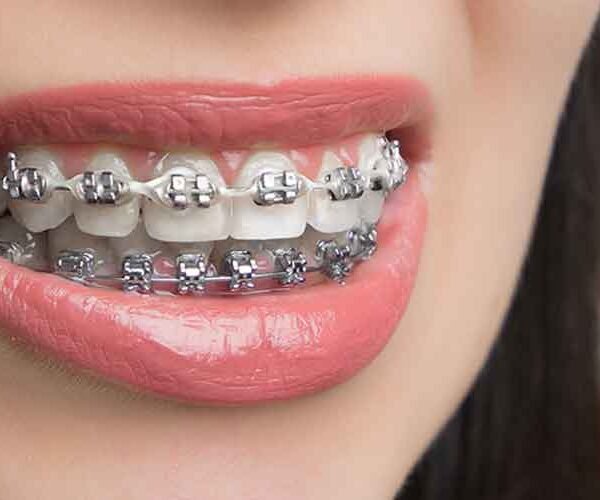
What are the advantages of using metal braces?
- Fast and effective results: Metal braces help straighten teeth quickly, resulting in shorter treatment times. Durable and long-lasting: Metal braces have a strong structure, making them durable and requiring minimal maintenance during treatment. Economical option: They are more affordable than other orthodontic treatment methods, making them a budget-friendly choice.
- High efficiency: Metal braces provide excellent results by effectively aligning teeth thanks to their stronger structure. Minimal maintenance requirements: When used correctly, metal braces are very easy to maintain and last a long time. Visibility and reliability: Although metal braces may attract more attention aesthetically than other treatment methods, they are preferred for their strength and effectiveness.
Frequently Asked Questions
No. The process of getting braces is completely painless; brackets are attached to the teeth with a special adhesive. However, for the first 3-7 days after the braces are fitted, you may experience some pressure and sensitivity in your teeth, and slight irritation inside your cheeks. This is part of the oral hygiene process as your body adjusts to the braces.
There are some restrictions to prevent brackets from becoming dislodged or wires from bending:
Hard foods: Nuts, hard candies, ice.
Sticky foods: Chewing gum, jelly candies, caramel, paste.
Foods that are eaten by biting: Apples, pears, sandwiches, or corn (these should be cut or corn kernels should be eaten).
If you brush your teeth regularly and correctly throughout the treatment, no stains will remain when the braces are removed. However, if food particles that accumulate around the brackets are not cleaned, white or brown decay (decalcification) may appear in those areas when the braces are removed. In other words, it’s not the braces that cause the stains, but inadequate hygiene.
Metal braces do not stain teeth when proper oral care is taken. However, if adequate cleaning is not maintained around the braces, plaque can build up on the teeth, leading to staining.
Yes, metal braces are effective in all age groups and correct misaligned teeth in adults as well. Treatment may take slightly longer in adults than in children, but with proper planning and regular check-ups, the same success can be achieved. Orthodontic treatments performed in later life offer lasting results in terms of both aesthetics and function.