

Porcelain Clear Braces
Porcelain Clear Braces
These braces combine the strength and reliability of traditional orthodontic treatment with the aesthetics and near-invisible design, appealing to many people seeking individual orthodontic care.
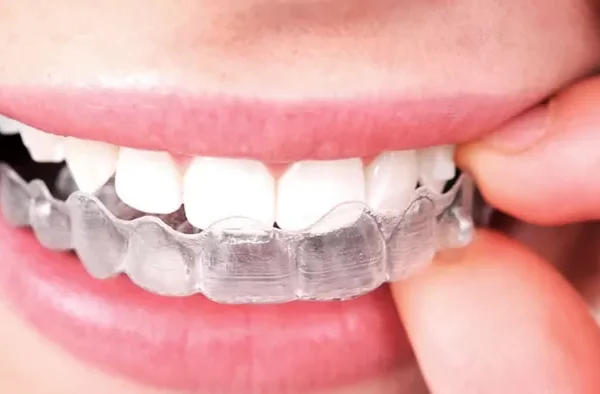
Ceramic Clear Braces Procedure
Anesthesia
Local
Procedure Time
1 to 2 Hours
Stay in Istanbul
1 to 3 Days
Return to Social Life
1 to 2 Days
Başlık Metninizi Buraya Ekleyin
What are clear porcelain braces?
Porcelain clear braces offer an alternative solution for patients who don’t want to use metal braces. Because the brackets and wires are transparent and white, they are difficult to see from a distance. They provide a more aesthetic appearance compared to metal braces. Patients can comfortably use porcelain clear braces in their work and social lives. There is no difference in treatment time or treatment method.
Porcelain clear braces are orthodontic devices used to align teeth, offering an aesthetically pleasing appearance. Designed as an alternative to metal braces, these braces are less noticeable while straightening teeth and offer an ideal solution for individuals with aesthetic concerns. Because the porcelain material is produced in shades similar to the natural color of teeth, it minimizes visibility during treatment. Furthermore, the surfaces of these braces are smooth, which ensures hygienic use and reduces discomfort in the mouth.
Why Choose Porcelain Clear Braces?
- Aesthetic Appeal: The biggest advantage of clear porcelain braces is their inconspicuous appearance. Unlike metal braces, they are less noticeable and allow patients to smile confidently throughout their treatment.
Effective for Complex Cases: Clear braces can handle more complex orthodontic cases than clear aligners. They are suitable for problems requiring precise tooth movements and adjustments.
Durability and Strength: Although less visible, porcelain brackets are still strong and durable. They are designed to withstand daily wear and tear while maintaining their clear and natural appearance.
Comfortable Fit: The smooth, rounded brackets used in clear braces help reduce irritation and discomfort, making them more comfortable to wear compared to older types of braces.
What are the Differences Between Porcelain and Metal Braces?
Porcelain braces and metal braces are two different options commonly used for orthodontic treatment, each with its own unique characteristics. The differences between them are as follows:
Aesthetic Appearance: Porcelain braces offer a more aesthetic appearance because they are the color of natural teeth. Metal braces, on the other hand, are more noticeable and prominent.
Material: Porcelain braces are made of ceramic material, while metal braces are usually made of stainless steel. This makes porcelain braces less visible.
Comfort: Porcelain braces may be less irritating than metal braces. Metal braces may cause more discomfort in the mouth.
Treatment Time: While both types of braces have similar treatment times, porcelain braces may sometimes require a slower adjustment process.
Durability: Metal braces are more durable than porcelain braces. Porcelain braces can break if subjected to impact or excessive pressure. Cleaning and Maintenance: Both types of braces require regular cleaning; however, porcelain braces can be more prone to staining, so they may require special attention.
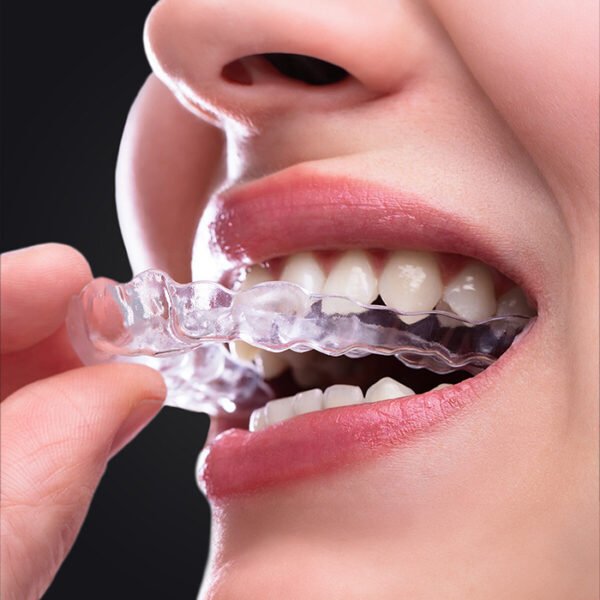
Benefits of Porcelain Clear Braces
Discreet Appearance: They blend in with the color of your teeth, making them much less visible than metal braces.
Versatile Treatment: Effective for a variety of orthodontic problems, including severe misalignments and complex bite issues.
Stain Resistant: Porcelain materials are designed to resist staining, keeping your braces looking clean and clear throughout the treatment period.
Comfortable Experience: Designed for a smooth fit to reduce friction and irritation inside the mouth.
What to Expect During Treatment?
Mild Discomfort: It’s normal to experience mild discomfort or tightness after braces are first fitted or after an adjustment. This is a sign that the braces are working to move your teeth. Over-the-counter pain relievers can help manage any discomfort.
Adjusting Oral Hygiene: Proper brushing and flossing are crucial when wearing clear braces to prevent plaque buildup around the brackets. Your orthodontist may recommend special tools such as floss threaders or interdental brushes to help maintain oral hygiene.
Dietary Adjustments: Certain foods should be avoided to prevent damage to the brackets. Sticky, chewable, or hard foods like gum, caramel, and nuts can dislodge or break the brackets.
Frequently Asked Questions
The most fundamental difference is aesthetics. Metal wires have a distinct gray/silver appearance, while porcelain brackets are tooth-colored or transparent. When bonded to the tooth, they blend seamlessly and are much less noticeable.
Modern porcelain brackets themselves are stain-resistant and do not yellow. However, the small elastic bands (ligatures) attached to the brackets can change color due to tea, coffee, or cigarette smoke. Since these elastics are replaced during monthly checkups, the yellowing problem is not permanent.
Porcelain braces are quite durable; however, they are not as flexible as metal. They are slightly more prone to breakage than metal braces when consuming very hard foods (nuts, hard fruits, etc.). Therefore, patients using porcelain braces need to be a little more careful when eating.
Because porcelain braces have a smooth and rounded texture, they generally irritate the inside of the cheeks and lips less than metal braces. Although there may be an adjustment period in the first few days after they are fitted, their comfort level is quite high.